
How I work
My approach when I’m working with clients is fundamentally practical. I’m supportive as well as challenging. Whether I’m helping you navigate trauma, manage a huge life event, or helping you understand yourself better, my approach will be consistent - warm, authentic and professional.
Your life today. Most likely, you want help making some sort of change in your life. So, we start by discussing your life today and what is and isn’t working for you. We identify the changes that you’d like to make and what you’d like your future to look like. We will look at what you might be doing that isn’t helping you, as well as what you need more of to thrive. I want to get to the nitty gritty of what it feels like to be you, so that I can respond in exactly the way you need, to help you through whatever challenge life is throwing at you, and to improve your mental and emotional wellbeing.
Your past. We might explore your past too, to work out how your previous experiences have impacted your relationships and behaviour today. What did you need to do in survival mode that no longer serves you now? This can be uncomfortable, but I’ll be by your side helping you navigate the journey and the feelings that come with it. And it isn’t all darkness - humour and laughter are wonderful antidotes to suffering and there are times when holding things lightly is a vital part of growth.
Growth and change. Once we start piecing together the bits of your personal jigsaw puzzle, your curiosity and self awareness increases and change can start to happen. This growth and change is more likely if you trust me and feel that I’m not judging you, so I work hard to make sure our relationship is strong and that you can feel my compassion, professionalism and authenticity.
My beliefs. How I work is driven by my beliefs - in the importance of finding meaning and purpose in life; of being in service to others; of cultivating self-love; of choosing action over inaction; of fostering personal growth and collective responsibility; and of embracing adversity and pain as growth opportunities through acceptance and gratitude.
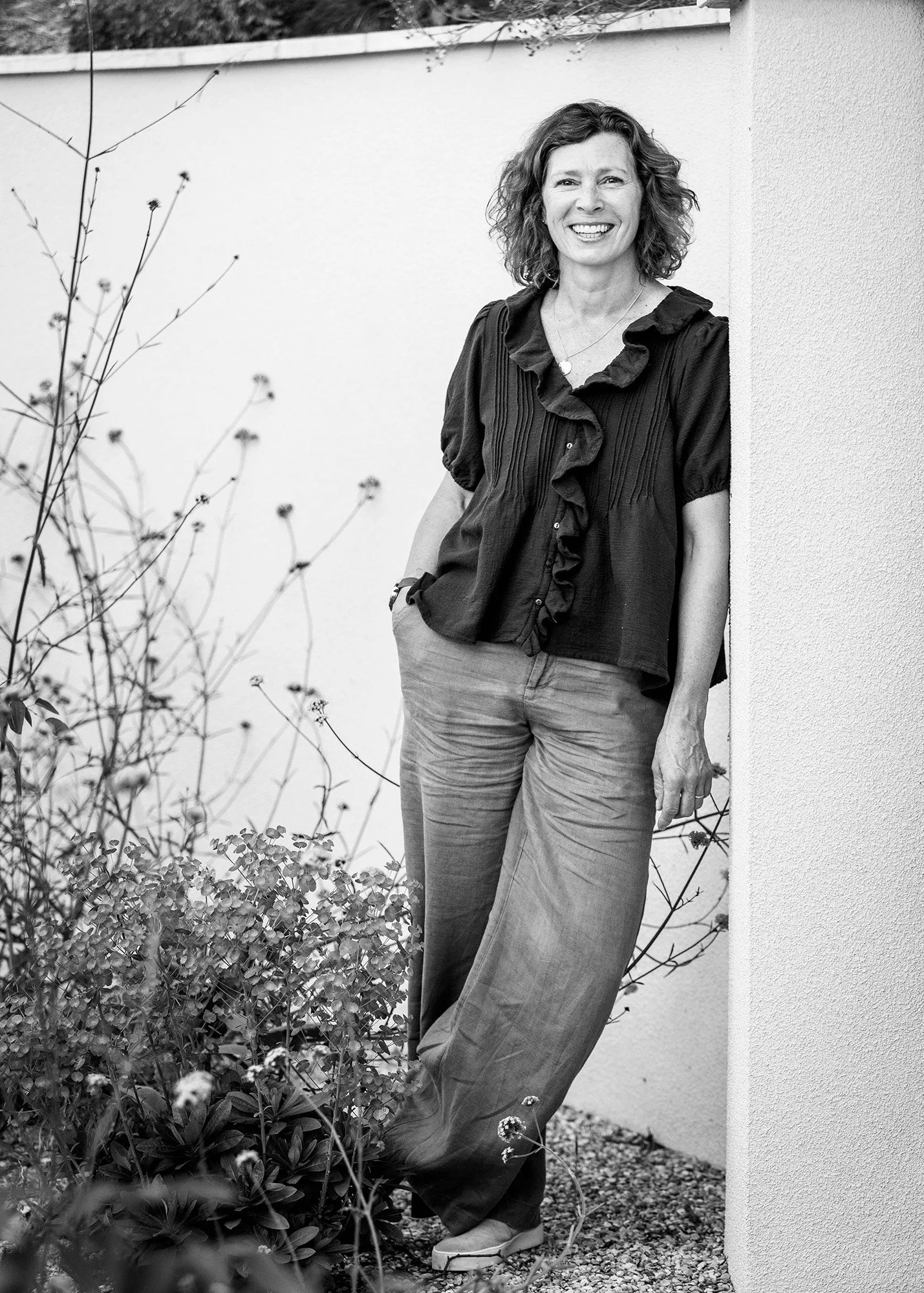
So what skills do I use and what theories do I draw upon to help this process?
My foundational training is rooted in the belief that all humans have an inner knowing and an innate drive towards personal growth, and the agent of change is in the strength of the relationship between us. This fits nicely with the process described above. But in addition, through training and experience, I integrate other useful interventions, tailored to each client‘s individual needs.
This might include using skills from Cognitive Behavioural Therapy (CBT) to explore the link between thoughts, feelings, and behaviour; EFT (tapping) to help regulate difficult emotions in the body; and I use my understanding of attachment theory to make sense of patterns in your relationships.
I use tools from Transactional Analysis (TA) to explore the parent-adult-child roles we can unconsciously fall into; and Acceptance and Commitment Therapy (ACT) to support building a more flexible, values-led relationship with difficult thoughts and feelings.
I bring an understanding of the nervous system - particularly the interplay between the sympathetic and parasympathetic states - to help you work with your body's stress responses; as well as referring to Elaine Aaron’s research on high sensitivity, Bessel van der Kolk’s work on understanding trauma and Dr Nicole LePera’s teachings on relationships and healing.